

1. Does sea moss really have 92 minerals, and what are the key ones?
The "92 minerals" slogan is not backed by primary scientific data. What research does show is that red seaweeds, including Eucheuma seaweed, are reliable sources of iodine and several essential minerals. Reviews list iodine, calcium, magnesium, iron, phosphorus, potassium, zinc, copper, manganese, and selenium among the common minerals found, although amounts fluctuate by location and season.
Scientific studies published in peer-reviewed journals, including those indexed in PMC and MDPI, consistently report finding 10-15 measurable minerals in sea moss samples, not 92. The mineral content varies significantly based on:
- Harvest location: Waters with different mineral compositions produce sea moss with varying nutrient profiles
- Species type: Eucheuma, Gracilaria, and Chondrus crispus each have distinct mineral fingerprints
- Seasonal changes: Mineral absorption rates change with water temperature and algae growth cycles
- Processing methods: Sun-drying versus oven-drying can affect mineral retention
The "92 minerals" line is a marketing slogan. For wholesale buyers, the real focus should be on how sea moss enhances your product, whether that means adding natural minerals to skincare soaps, adding natural minerals to smoothies, or delivering calcium, iodine, and potassium as a clean, plant-based supplement.
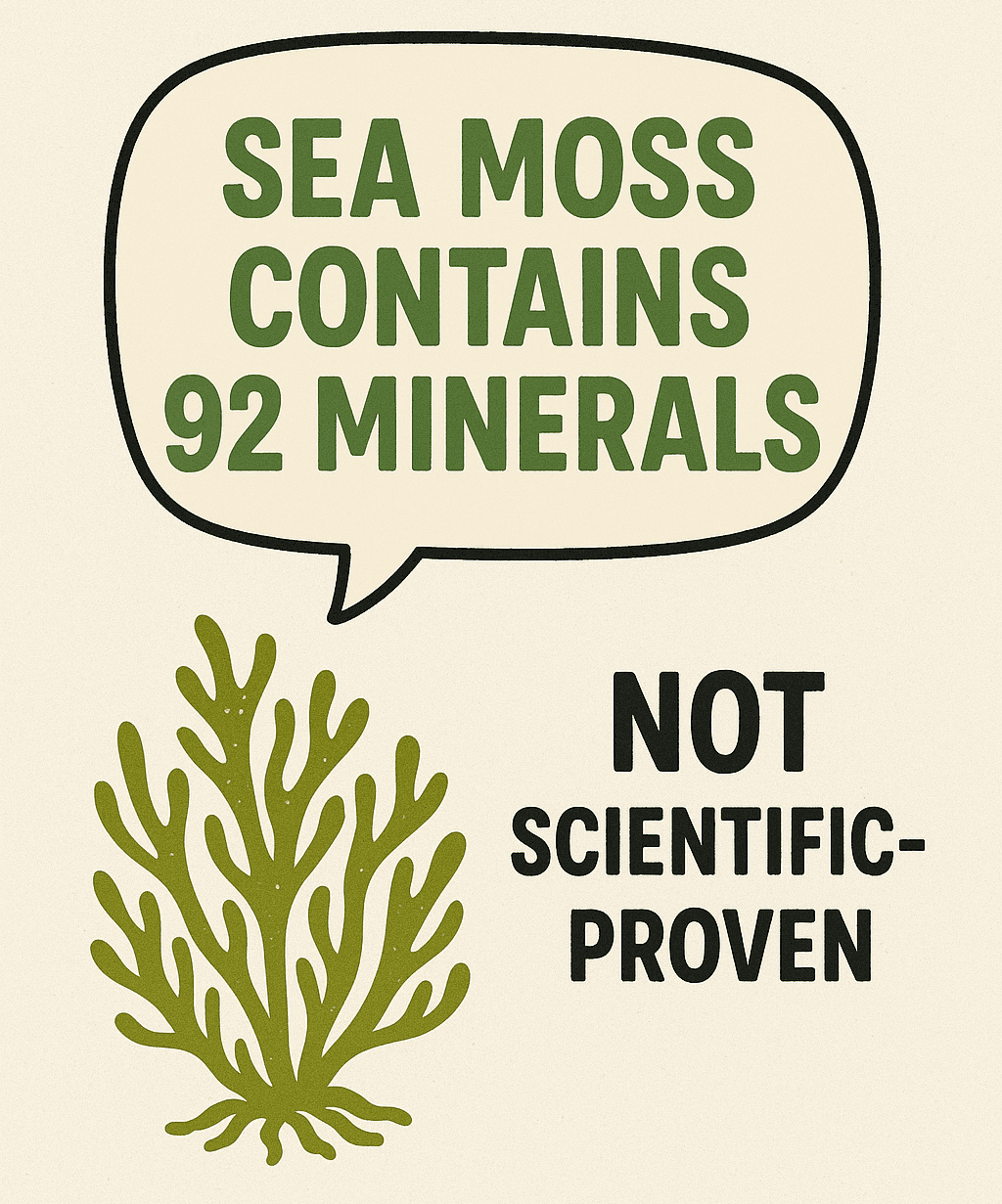
Lab testing reveals actual mineral content varies by batch and harvest location
2. What is the biggest benefit of sea moss?
Mineral support is the standout benefit. Many people do not meet daily targets for minerals like iodine, magnesium, and iron. Sea moss is a natural, vegan food that can help fill those gaps, especially iodine for normal thyroid function. It is not magic, it is simply a nutrient-dense food you can add to a balanced diet.
According to research published in PMC, the most significant nutritional benefits of sea moss include:
- Iodine content (100-800 mcg per 10g serving): Essential for thyroid hormone production and metabolism regulation
- Soluble fiber (carrageenan): A source of soluble fiber, which plays a role in digestive function
- Antioxidant compounds: Phycobiliproteins and polyphenols that combat oxidative stress
- Prebiotic properties: Feeds beneficial gut bacteria, supporting microbiome health
You can mention "92 minerals," but remember it is a common slogan. For businesses, it is stronger to highlight documented benefits backed by credible research. These provide a solid foundation for health-conscious marketing and can be shared with consumers with confidence.
3. Does sea moss have vitamin D, and is it high in mercury?
Vitamin D in seaweeds is inconsistent and typically low. Some algae only show trace vitamin D when exposed to strong UV light. Because results vary and are often minimal, sea moss should not be counted on as a vitamin D source.
On mercury, and other heavy metals like lead and cadmium, seaweeds can accumulate what is in their waters. Safety reviews from European food authorities highlight seaweed as a possible route of exposure, which is why third-party lab testing for heavy metals and iodine is important. Research from EFSA Journal and scientific Preprints emphasizes:
- Mercury levels: Generally low in sea moss from clean waters, but testing is essential
- Cadmium concerns: Can accumulate in certain species, particularly from polluted waters
- Lead contamination: Rare but possible, especially near industrial coastal areas
Quality suppliers provide comprehensive heavy metal testing results. Look for tests that include mercury, lead, cadmium, and arsenic levels that meet FDA and EU safety standards.
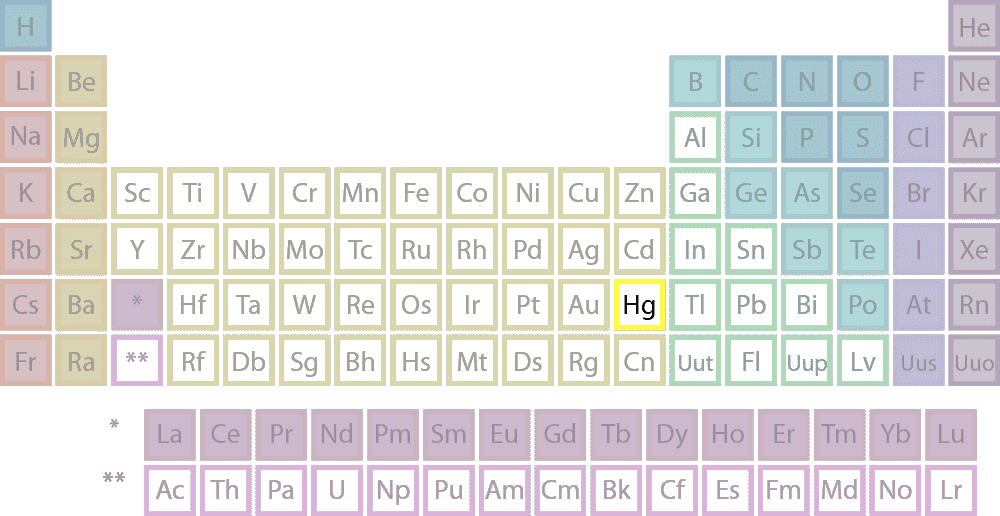
Even trace heavy metals can harm the human body
4. Who should not take sea moss?
Use caution or avoid if you are pregnant or breastfeeding, if you plan to give it to infants, or if you have seafood or iodine sensitivity. People with thyroid conditions, or those on medications affected by iodine, should speak with a clinician first, since iodine levels can be high.
According to health sources including PMC and WebMD, specific groups should exercise caution:
- Thyroid disorder patients: High iodine can worsen hyperthyroidism or interfere with medications
- Blood thinner users: Sea moss vitamin K content may affect medication efficacy
- Kidney disease patients: High potassium levels may pose risks
- Autoimmune conditions: Immune-modulating properties may interact with treatments
- Surgery patients: Should stop use 2 weeks before procedures due to potential bleeding risks
As a wholesale supplier, providing clear safety information and recommending consultation with healthcare providers demonstrates responsibility and builds trust with business customers who value transparency.
Bottom line for wholesalers and buyers
Wildcrafted sea moss offers useful minerals, led by iodine, plus fiber and antioxidants. The "92 minerals" line is marketing, not science. Choose suppliers who publish recent, accredited lab results for heavy metals and iodine, since ocean plants reflect ocean quality.
When evaluating sea moss suppliers, prioritize those who:
- Offer batch-specific certificates of analysis (COAs)
- Include testing for essential minerals and harmful heavy metals
- Provide phytosanitary certificates to verify export quality
- Use accredited third-party laboratories
- Are transparent about harvest locations and processing methods
See our latest certificates of analysis on the Lab Results page for complete transparency about our sea moss mineral content and safety testing.
*These statements have not been evaluated by the Food and Drug Administration. Sea moss products are not intended to diagnose, treat, cure, or prevent any disease. Consult your healthcare provider before starting any new supplement.
Continue Reading
Ready to Source Premium Sea Moss?
Have questions about sea moss nutrients, testing, or wholesale? Message us and we'll gladly share insights from shipping thousands of pounds across North America.
Contact Us for Wholesale Inquiries